Building the Parallel Beside Logos Testnet v0.1
The actions taken and tools built to support the Logos testnet release
Bathang


Logos Testnet v0.2 went live at the end of June. The release deploys and hardens the core protocols of the stack – Messaging, Storage, and Blockchain – while introducing foundational privacy features.
Logos Testnet v0.1 provided valuable insights into the network’s stability and uncovered bugs to iron out since its release at Parallel Society in March. During that time, the movement has been expanding and taking action to promote Logos tech and vision.
Read on as we recap initiatives undertaken by those developing on and organising around the Logos tech stack during the Testnet v0.1 period. You can also explore the learnings from the initial release and the roadmap to Logos mainet in this technical retrospective.
Parallel Society: Action and tooling converge
Logos’ flagship gathering, Parallel Society, took place in March 2026. The event served as a way station for those inspired by our mission to rebuild civil society and coincided with the release of Logos Testnet v0.1.
Around 2,400 activists, developers, artists, and optimists converged in Lisbon to explore the frontier we’re building. Supporting the [un]conference programme over the two dayer was a pack of pioneering organisations also at the forefront of the parallel governance movement, including Nym, Internet Archive, Sealand, Tor, DarkFi, and many other aligned groups.

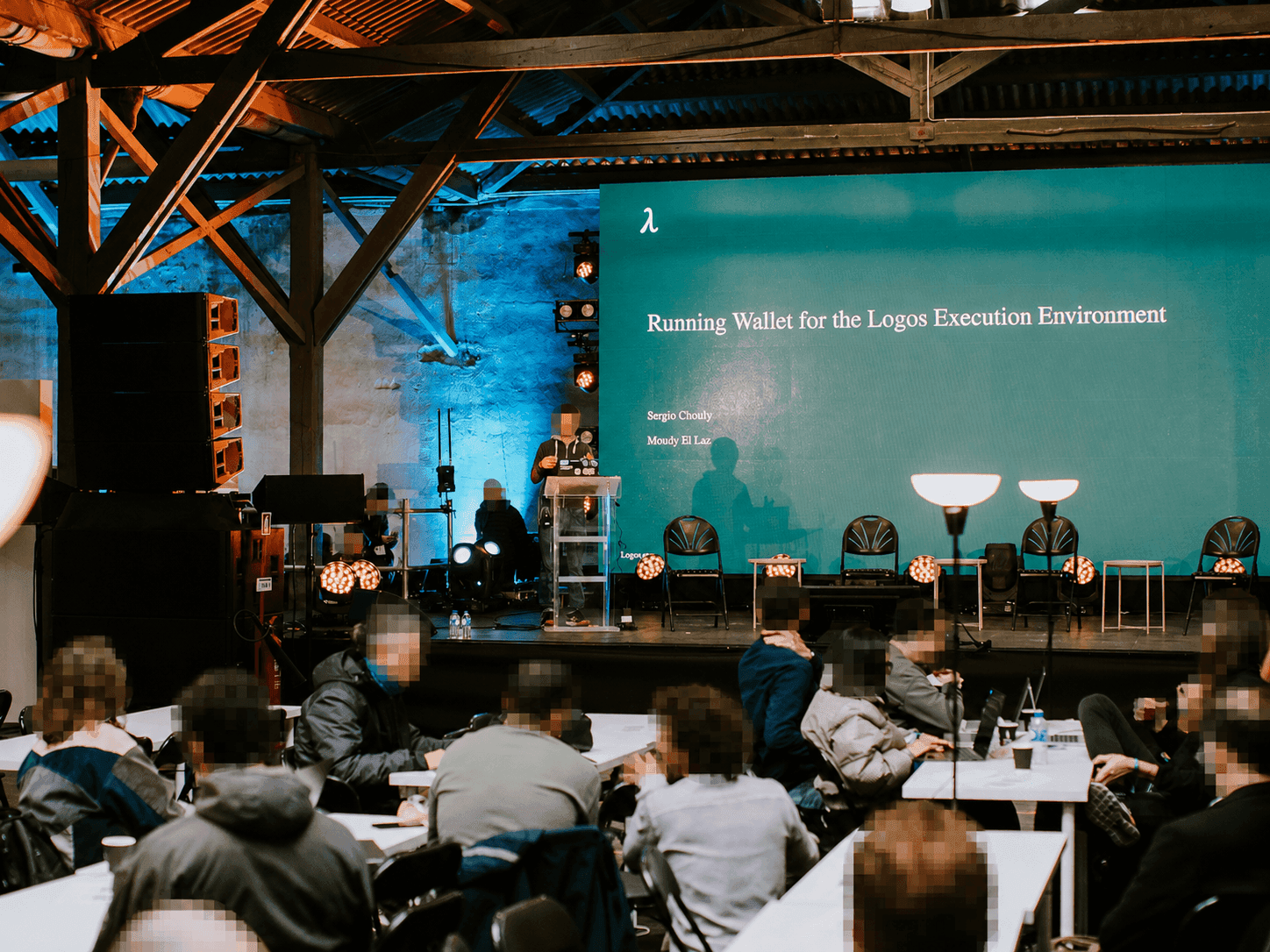
Opening the diverse Day 1 schedule of practical and philosophical sessions, the movement’s cofounder Jarrad Hope spoke about why Logos is now more important than ever, before Logos engineers demoed Testnet v0.1 and Logos modules. Meanwhile, coalition organisations held sessions showcasing their own solutions and initiatives with decentralised technologies.
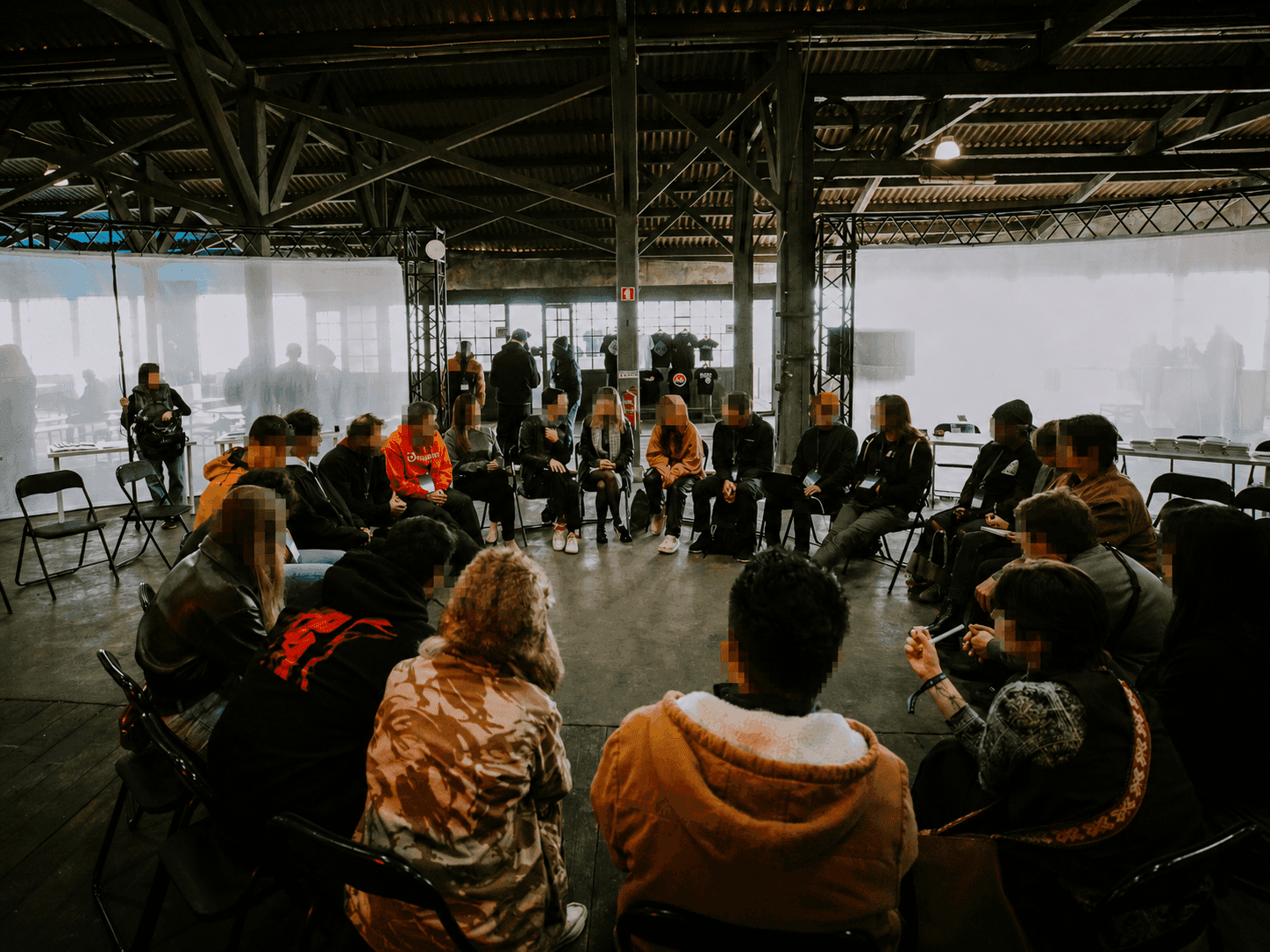
Also in the former industrial space, Logos Circle stewards from around the world met to discuss best practices in grassroots activism and ongoing efforts to address the issues that matter to their local communities.

Because technology is useless without humans to run it and culture is fundamental to what it means to be human, Day 2 was a celebration of music and arts. DJ workshops and sound system building sessions punctuated performances by Apparat, Gilles Peterson, DJ Stingray 313, Los Bitchos, and other local and international talent.
Action, Not Permission
Circles
Logos Circles are self-organised groups that take action to address issues that matter in their communities. They’re the beating heart of the movement. Learn more.
Since Testnet v0.1 release:
- Total Circles: 88
- Host Cities: 42 (in 20 countries)
- New Circles: 21
- Total attendees: 840
- Circles running a Logos node: 6

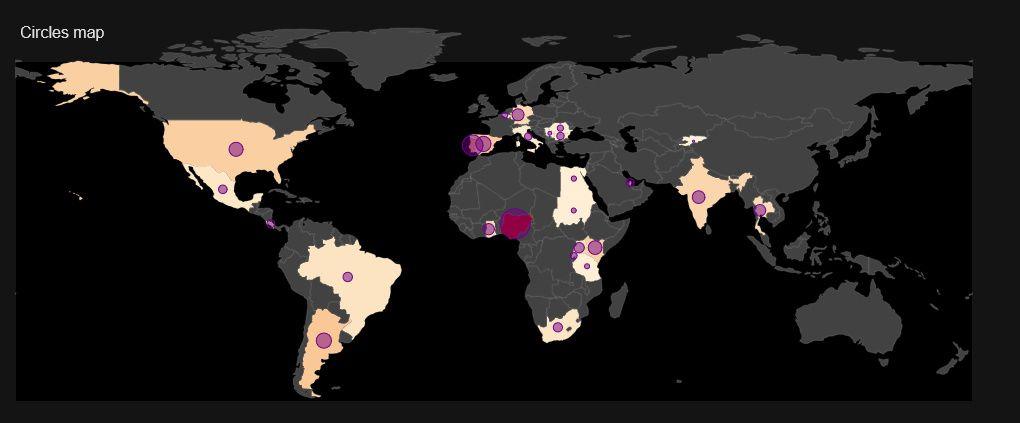
Since the testnet launch, Logos Circles have been making good progress on the winnable issues they’ve identified.
Logos Circle / Abeokuta is advancing two winnable issues focused on transparent community funding and women’s economic empowerment. The Circle has launched a crypto donations page on FundBrave, enabling direct and cross-blockchain contributions with transparent, community-controlled fund management. It is also fundraising to support at least 20 women entrepreneurs in accessing online courses on digital skills, business development, and technical fundamentals; this second initiative is currently in progress. Learn more.
Logos Circle / Accra addressed Ghana’s digital skills gap through a practical literacy programme covering email setup, research, document creation, productivity tools, and online safety. The Circle successfully delivered monthly hands-on sessions in April, May, and June and is now expanding the curriculum with peer learning groups and repeatable exercises to reinforce learning between sessions. Learn more.
Logos Circle / Awka is improving job readiness among local tech talent through practical CV training, expert guidance, and structured mentorship. After attracting more than 70 participants to its CV and job application session, the Circle launched a personalised CV review initiative and an impact-tracking system to measure interviews and job placements. It has also completed its first school outreach at a local school, providing learning materials, educator welfare packages, and student development talks, while work is ongoing to establish a sustainable funding and logistics model for future education initiatives. Learn more.
Documenting Circles
To highlight the work of Circles worldwide, we’ve produced a video series focused on three of the longest-running Circles: Lisbon, LA, and London.
Logos Circle / Lisbon has responded to the city’s housing crisis by bringing people together to share stories, support one another, and develop collective solutions. Their efforts have already helped secure a community centre where neighbours can organise and connect. Learn more.
Logos Circle / Los Angeles is developing a private whistleblowing app for musicians, artists, actors, and other entertainment workers to report exploitation without putting themselves or their careers at risk. By creating safer ways to speak up and support one another, the Circle aims to challenge the silence that has long shaped parts of the entertainment industry. Learn more.
Logos Circle / London is contributing to policy discussions on the UK’s £114 billion annual interest payments, raising awareness on how public money is allocated and what it means for real people. The Circle is also focused on digital IDs and chat control, and the threat to civil liberties they pose. More below and here.
Tooling the network
The expansion of Logos Circles worldwide creates new opportunities to deploy Logos technologies to solve real-world problems. Although the stack is still in testnet phase, Circle members have been exploring potential applications of the tech, as well as helping others to run their own infrastructure. Circles in Lisbon, New Delhi, Brno, Los Angeles, Florianópolis, and Rome are already running a Logos node.
Shayan from Logos Circle / Lisbon not only helped to spin up a node for the Circle but also gave a live workshop on how to do it. Earlier, Logos Circle / Mexico City posted a online tutorial in Spanish on how to run a node.

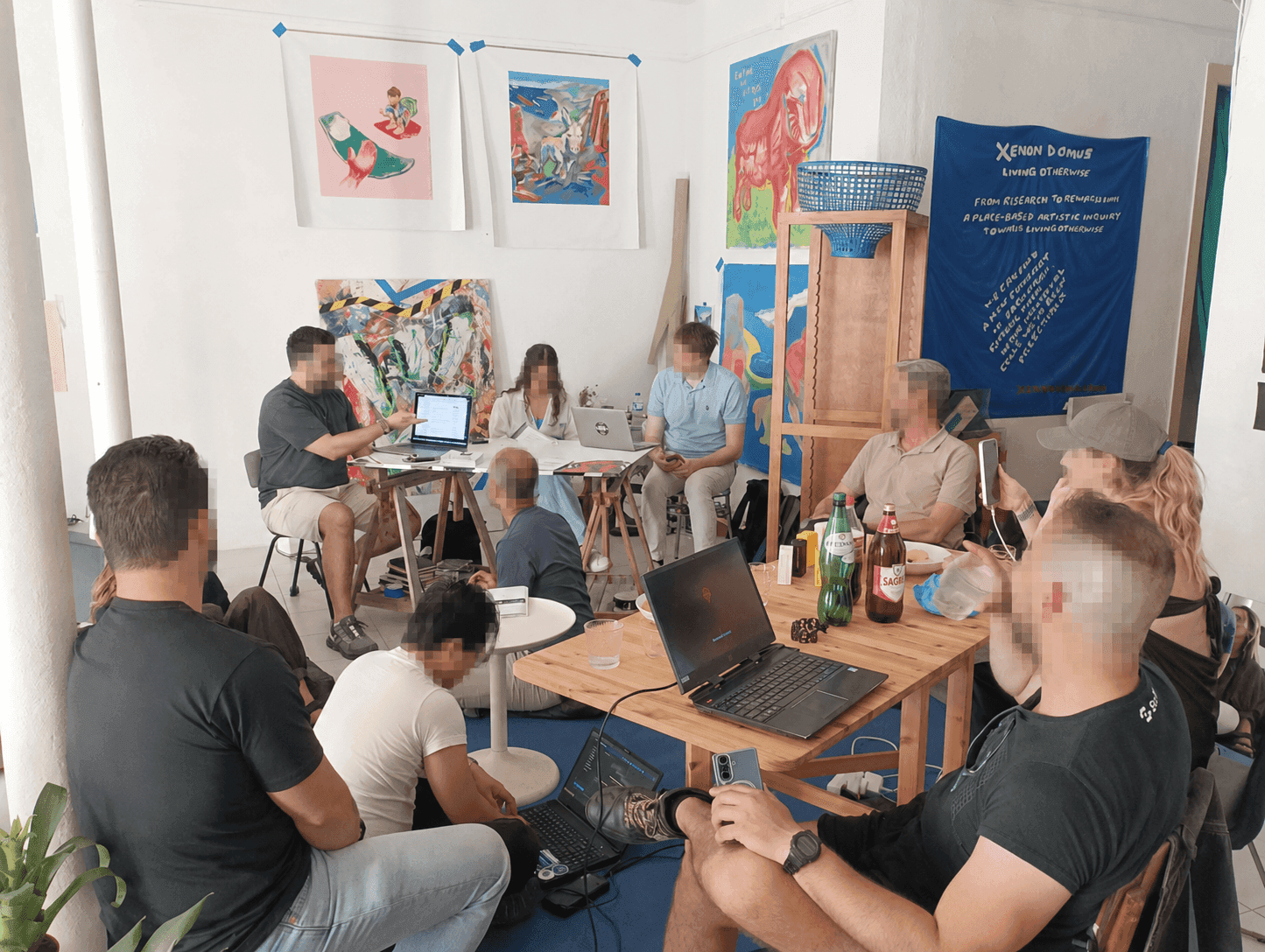
Logos Circle / Enugu is exploring how the Logos stack can support a community-owned mental health support system for University of Nigeria Nsukka students, combining anonymous first-contact support through Logos Messaging, a verified resource library on Logos Storage, and a community-governed therapy subsidy fund on Logos Blockchain. The Circle has drafted partnership proposals with the UNN Department of Psychology and Bespoke Therapeutic Consults to provide ethical oversight, peer-support training, clinical supervision, and professional referrals. Learn more.
Logos Circle / Ilorin is developing Wahala, an emergency response platform that centralises verified emergency contacts, sends SOS alerts, and shares real-time incident updates. Live user testing has already highlighted the need for the platform, and the Circle is exploring how to host it fully on the Logos stack. Learn more.
Logos Circle / Kampala is exploring the use of Logos Blockchain to improve transparency around functional fees collected by schools, hospitals, and local governments. The proposed solution would use smart contracts and multi-signature approvals to lock funds and ensure they are released only for their stated purpose, making payments visible and accountable. The initiative is still at an early stage, with the Circle now seeking local institutions for pilot programmes and preparing a proof-of-concept smart contract on testnet. Learn more.
Pop-Up Circles
Pop-Up Circles form to channel the energy of existing gatherings into collective actions. Since the testnet release, Pop-Up Circles have appeared in Liberland, Berlin, and at DWeb Camp.
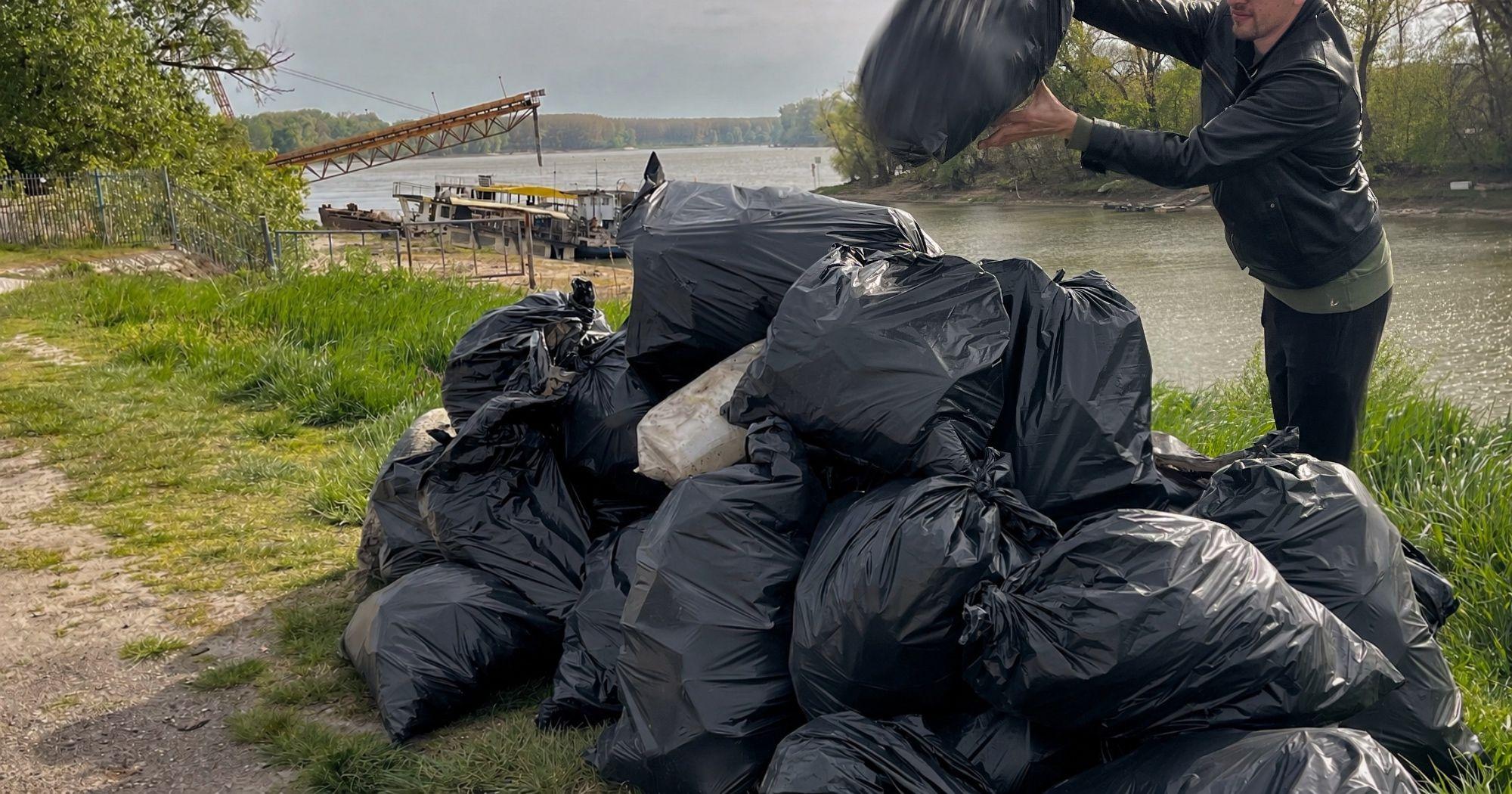
Pop-Up Circle / Liberland formed during the micronation’s 11th anniversary celebrations in April. After hearing about a neglected road between Liberland and neighbouring Serbia, the Logos community members at the event gathered a group and got to work.
In a few hours, they removed more than 35 bags of rubbish from a roadside and riverbank. The one-day cleanup attracted spontaneous help from locals, earned media coverage, and got a shoutout from the President of Liberland. Learn more.

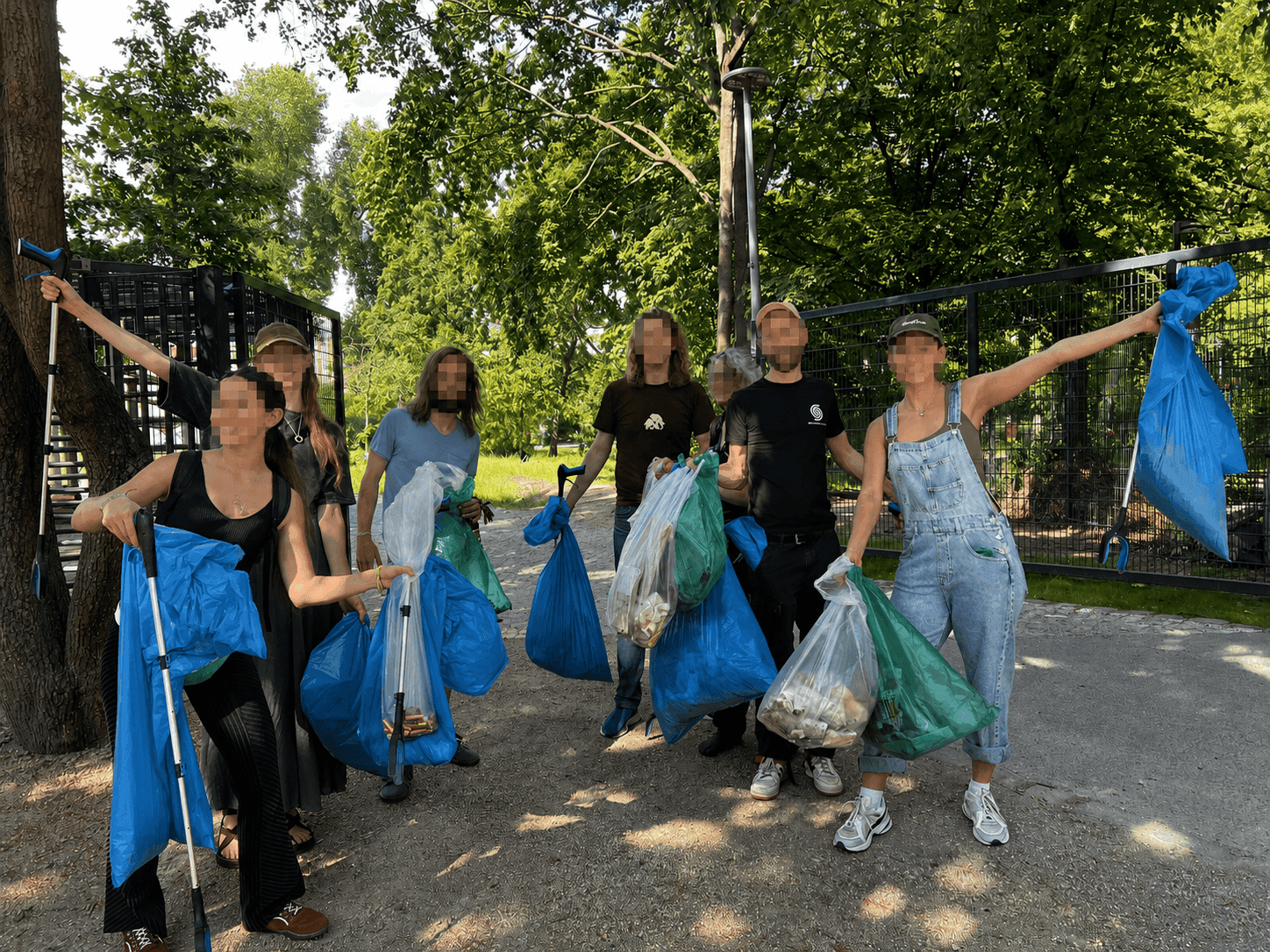
Pop-Up Circle / Berlin formed during Berlin Blockchain Week in June. The ad hoc group used a quadratic voting platform to hone in on an issue and get to work quickly. They landed on a rubbish cleanup in a local park after which they shared a meal. Working closely to solve real issues sparked conversations that wouldn’t happen in a conference room and proved to be a valuable network-building experience. Again, locals seeing the action were thankful for the Circle’s efforts. Learn more.
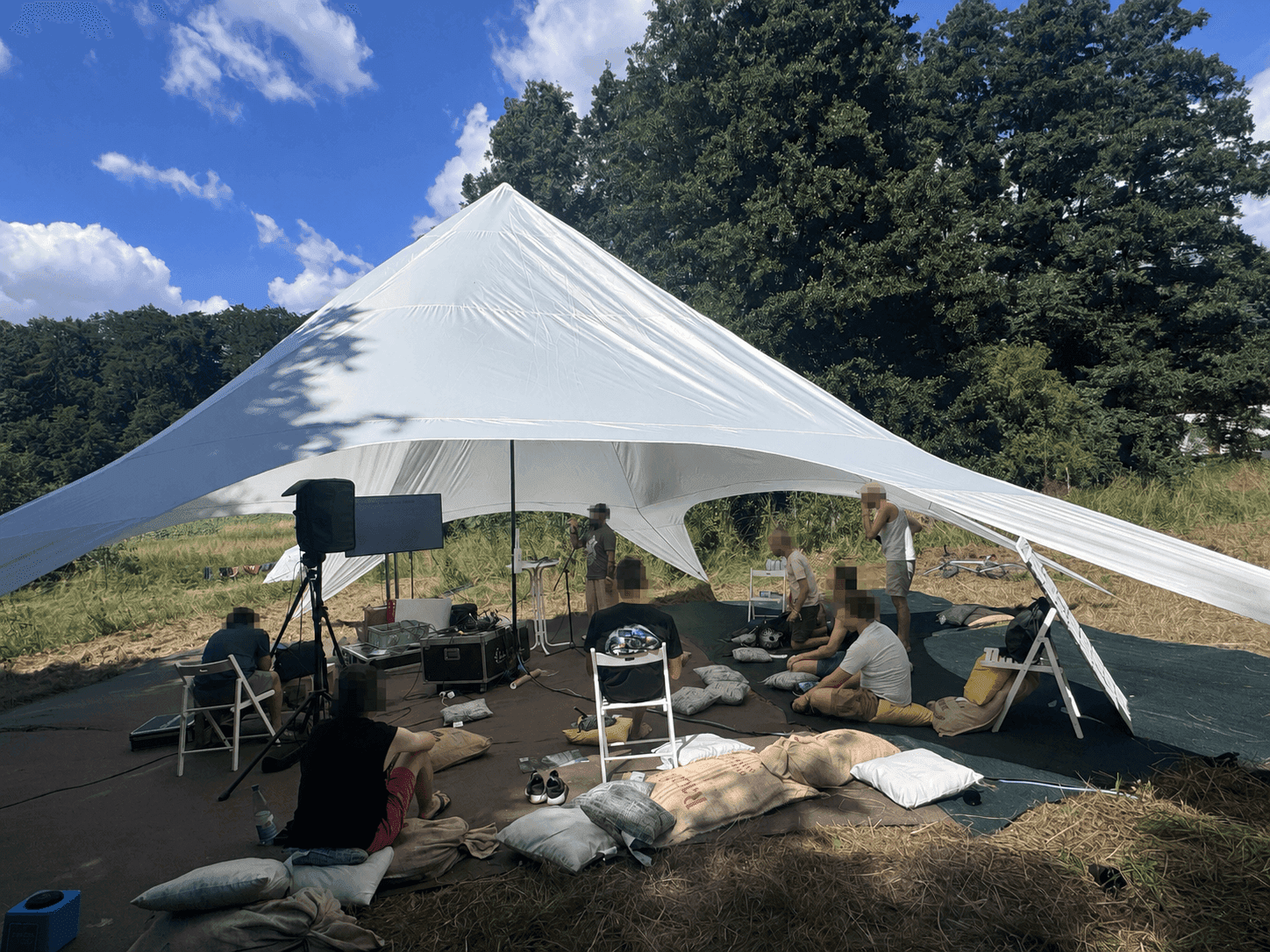
Pop-Up Circle / DWeb Camp
A hands-on Pop-Up Circles at DWeb Camp session gave participants the chance to identify a concrete, winnable issue and coordinate action around it. It offered a practical sense of what activism within Logos Circles looks like, turning an introduction to Logos into a direct experience of community organising.

Raising awareness on UK debt interest
In June, we launched a campaign highlighting the rising cost of UK debt interest payments and the pressure they put on public spending. In 2026, the government is expected to spend £114 billion on interest alone. These funds do not build new homes, hospitals, schools, roads, or reduce the debt burden; they are simply the cost of past decisions.
Logos infrastructure is designed to support monetary and financial primitives to underpin a growing parallel economy, reducing dependence on legacy systems. Raising awareness that alternatives are possible and viable is crucial for their eventual adoption. Learn more and join Logos Circle / London to support the campaign.


Tools, Not Permission
Logos / LAN
Logos / LANs are tech-focused gatherings to workshop, demo, and build on the Logos stack.
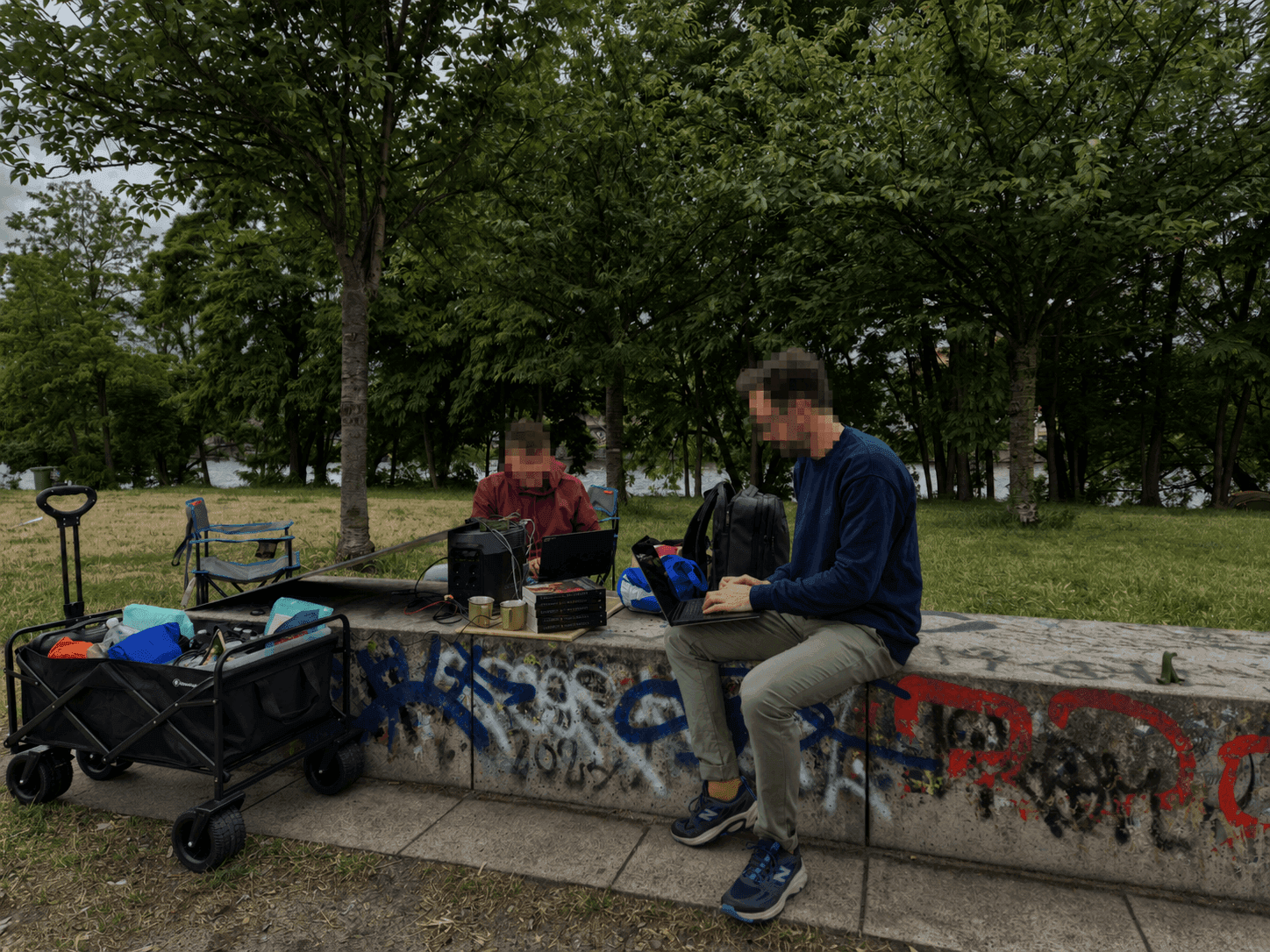
Logos LAN / Berlin took place over two sessions alongside Berlin Blockchain Week in June. At the first session, held outdoors at Park an der Spree, participants ran nodes, deployed applications, and tested Logos Blockchain, Messaging, and Storage. Their feedback helped identify what worked, what needed improvement, and how the stack could better support future community-built tools.
The following day, we introduced Dappcon attendees to Logos and demonstrated how its modules can work together to power private, decentralised applications.
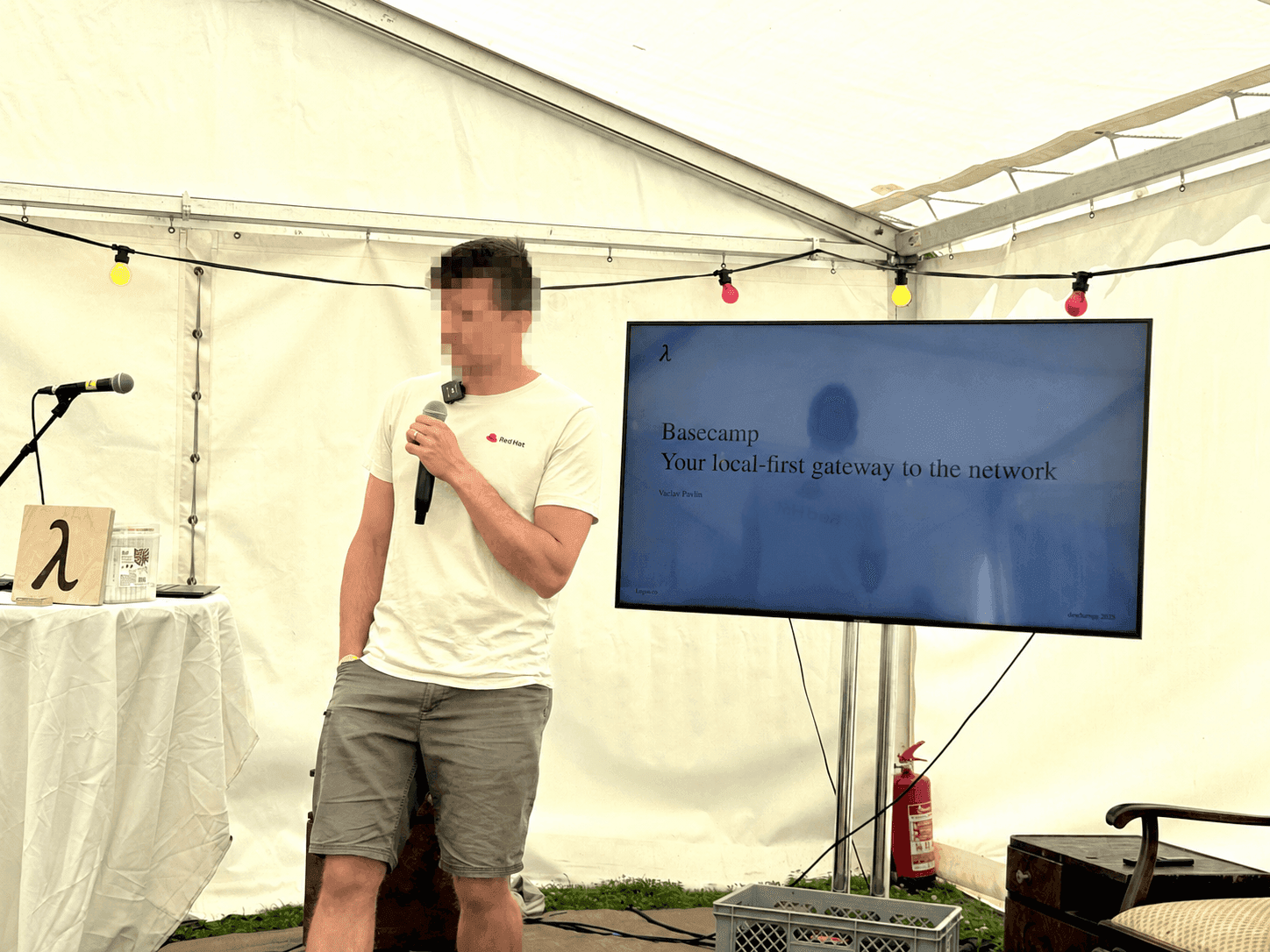
Logos LAN / DWeb Camp was in early July, just after the Logos Testnet v0.2 launch. It provided an opportunity to share our vision and tech stack with an aligned audience that was still largely unfamiliar with Logos.
We hosted a Logos Basecamp presentation, a Demo Night, a session on starting Logos Circles, a live demonstration of the modular hardware wallet Keycard, a decentralised libraries presentation, and stayed on to help pack the camp down, leaving the Alte Hölle forest as we found it.

A nation of devs
While far from production ready, the Logos community has been expanding the stack since the testnet release.
IA Archiver lets Basecamp users follow trusted LEZ archive channels and preserve Internet Archive items on Logos Storage. Preservation is verifiable, decentralised, and user-run. Explore the code.
Anon Forum brings old-school anonymous participation to Basecamp. Join shared forum topics, post publicly without accounts, and receive/store messages locally via Logos Messaging. It’s private-by-default and free from platform-owned identity. Explore the code.
Radio Basecamp is a sovereign internet radio module for Logos Basecamp. Anyone can start a station, listeners discover it over Logos Messaging topics, and streams can run over Tor. Explore the code.
Basecamp Meshtastic brings off-grid LoRa mesh chat into Logos Basecamp. Send messages between Basecamp and USB-attached Meshtastic radios, view nodes, manage channels, and opt-in relay per channel over Logos Messaging. Explore the code.
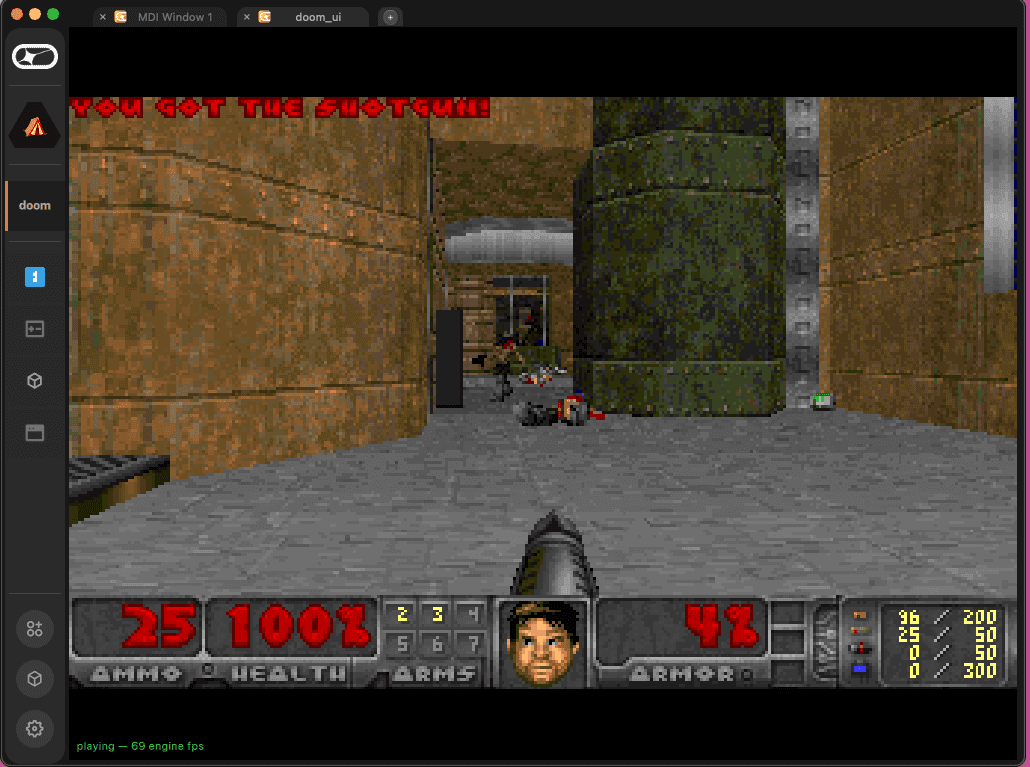
The Logos Basecamp DOOM module packages the doomgeneric engine and FreeDOOM as a native .lgx module. You can install it via Package Manager, launch it from the sidebar, and it renders inside Basecamp. Explore the code.
λ Prize
λ Prize is a developer incentive programme offering rewards to those shipping working applications on the Logos tech stack. Rather than rewarding prototypes, λ Prize backs production-ready, privacy-preserving tools built during the Logos testnet phase. Learn more and get involved.
The first λ Prize-winning submission, LP-0012: Structured Events for LEZ Programs, adds end-to-end event support across the SDK, sequencer, RPC, and CLI. By preserving events even when transactions fail, the submission gives developers and client applications a clearer view of program execution, improving debugging and enabling better wallets, explorers, and indexing tools.
Funding internet freedom
In May, Logos joined a funding campaign led by Tor and Funding the Commons to support nonprofit projects building tools for privacy, secure communications, and censorship resistance. As part of a quadratic funding pool, Logos helped direct donations toward widely used projects building infrastructure that people rely on to communicate, organise, and defend their civil liberties online. Learn more.
Building the Parallel
As Testnet v0.2 begins, the movement will keep putting Logos into practice: running infrastructure, testing new capabilities, building tools for real community needs, and organising collective action through Circles and LANs. Each deployment, experiment, and piece of feedback will help shape the stack while unifying the Logos movement.
Run a node. Build the parallel.
We're building technologies and a social movement to revitalise civil society. We need developers, designers, writers, and activists to help shape it. Build the parallel with us.
Discussion
Nasrudin
Logos
G IRL
Bathang
Bathang
Bathang
Bathang
Bathang
Bathang
Bathang